Edition · 02
On Beauty Sleep — The Quiet Architecture of Overnight Repair
There is a kind of beauty that only happens at night. A quiet field guide to sleep as the foundation of skin: temperature, posture, breath, ritual, and the hours that restore us.

There is a kind of beauty that only happens at night. Unseen. Unforced. Quietly restored.
Sleep is not an extra step. It is the foundation.
The skin resets in stillness
Circulation slows. Cell renewal increases. Inflammation settles. Cortisol lowers, melatonin rises. This is when repair happens — not when you apply the product, but when the body has space to use it.
The environment
Sleep responds to its surroundings. A cooler room — ideally 16–19°C — supports deeper, uninterrupted sleep.
Darkness is essential. Even small light exposure can reduce melatonin production and disrupt repair. Keep the room fully dark. No overhead light. No screens. No interruption.
Air matters. Fresh, slightly cool air helps the body settle faster.
Where the face rests
The face remains in one position for hours at a time. Over time, this creates patterns. Sleeping face down, or pressed into the pillow, can lead to compression lines, reduced circulation, and subtle asymmetry — not immediately, but gradually.
A softer approach: sleep on your back, when possible. Let the face remain neutral. If you sleep on your side, reduce friction and pressure with a supportive contour pillow and a silk pillowcase. Silk creates less resistance against the skin and hair. Less pulling. Less creasing.
Posture, even in rest
The body holds alignment, even at night. Neck, shoulders, jaw. A poor mattress or pillow keeps the body in tension. A supportive setup allows better circulation, less fluid retention, and a more relaxed face upon waking. The difference is visible — not just in the skin, but in the way the face settles.
The jaw, the breath, the face
Breathing patterns shape the face over time. Nasal breathing supports better oxygenation, improved sleep quality, and less dryness. When the mouth stays open, the jaw lowers, the face holds tension differently, and the skin can appear more fatigued.
Some gently encourage nasal breathing — including techniques like mouth taping. Only if comfortable. Never forced. Ease is the priority.
Evening as ritual
The skin responds to how you end the day. Evening is not for rushing.
A simple structure: cleanse thoroughly, remove all residue (SPF, makeup, pollution), then apply richer textures. Night is when the skin is more permeable — better able to absorb and repair.
Focus on barrier repair creams, nourishing oils, and hydrating layers. Apply slowly. With warmth. Let the skin settle before lying down.
Sleep is not separate from skincare. It completes it.
Hormones, stress, and the skin
Sleep regulates more than rest. It directly impacts collagen production, inflammation levels, oil balance, and pigmentation.
Chronic poor sleep can lead to dullness, breakouts, increased sensitivity, and premature fine lines. The skin reflects internal rhythm — not just topical care.
Hours, not shortcuts
There is no replacement for sleep. 7–9 hours is essential. For many women, 9–11 hours can be more restorative — especially during periods of stress, hormonal change, or high physical and mental demand.
We are not uniform. Recovery, energy, and rhythm move differently. Rest is not indulgence. It is function. Consistency matters more than perfection.
Timing matters
Sleep before midnight has a different effect on the body. The earlier part of the night is when the deepest repair cycles occur. A consistent sleep time is more powerful than irregular long sleep. The body responds to rhythm.
What to avoid before sleep
Small habits affect the skin overnight:
- Alcohol — dehydration, inflammation
- Late heavy meals — disrupted repair
- Screens — reduced melatonin
- Stress — increased cortisol
Reduce stimulation. Let the body move into stillness.
At peace
The state you fall asleep in stays with you. Tension carries into the face. So does calm. Let go of the day.
A simple practice: slow breathing, no input, no urgency. There is a quiet discipline in being present. Even here.
A quieter kind of beauty
Beauty sleep is not a concept. It is a system. The room. The bed. The skin. The breath. The rhythm. Repeated, gently, over time.
You do not need to perfect it. Only to return to it. Night after night. Quietly.
Quiet Beauty · The Night Ritual
A saveable guide.
- Room cool (16–19°C)
- Complete darkness
- Clean skin, no residue
- Rich night care, applied slowly
- Silk pillowcase or low-friction surface
- Supportive pillow, aligned neck
- Nasal breathing encouraged
- No screens before sleep
- 7–9+ hours (women often need more)
- A consistent sleep time
Written by The Quiet Beauty Edition
Filed 24 April 2026 · 9 min read
Also in this issue
The Edition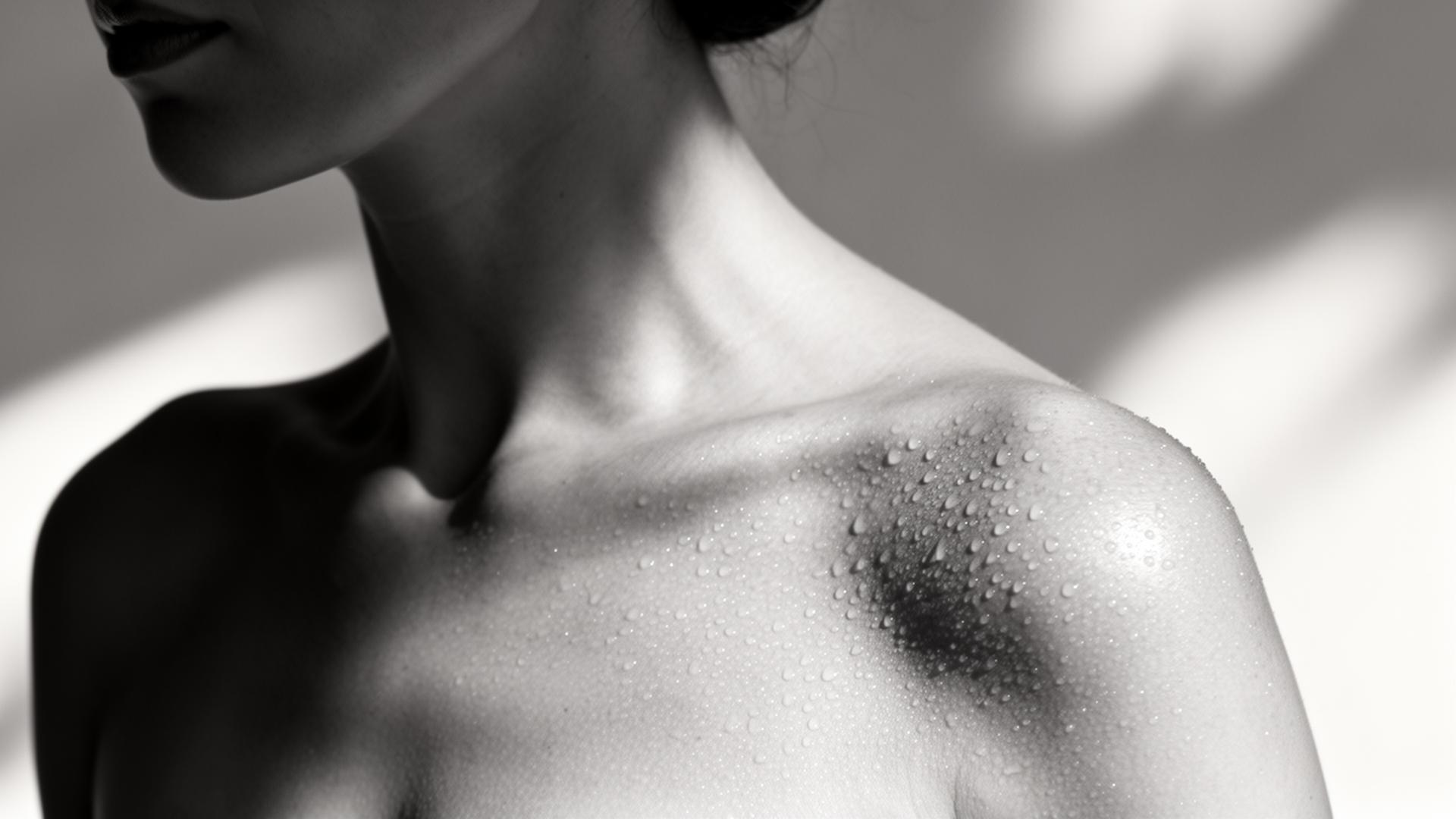
Edition
Pre-Summer Glow Guide — Why Less Creates More Glow
A more refined, K-beauty-led approach to skin as the seasons turn — barrier first, restraint always, and the five quiet pieces that earn their place.
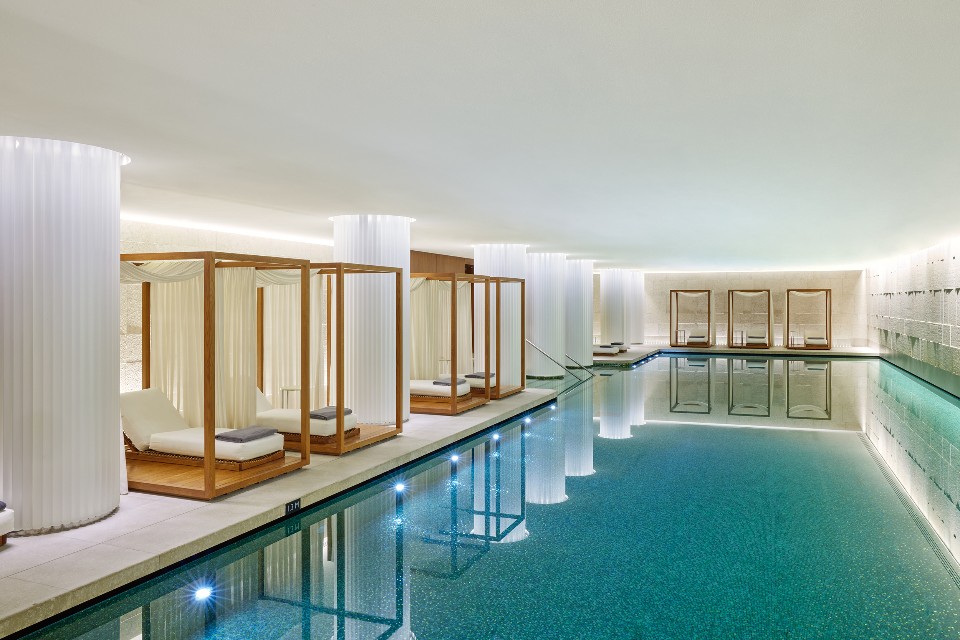
Journal
On Where I Go — London
Quiet Beauty Journal · 03. The London places we return to — for the light, the pace, the hands. Considered, reliable, quietly exceptional.
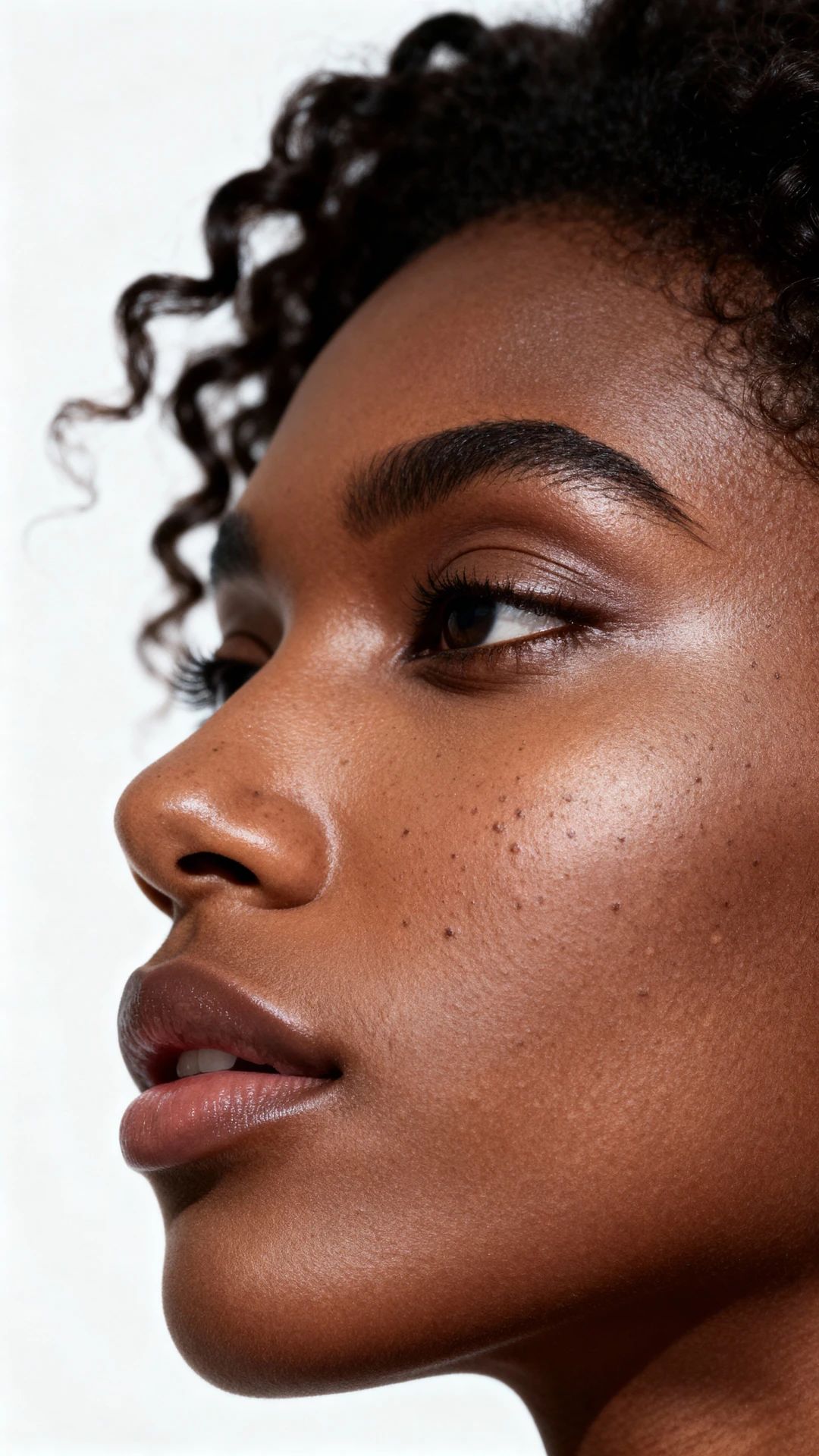
Rituals
Beauty from the Inside — On Emotion as the Truest Skincare
Before the serum, before the cream — there is the feeling. A personal meditation on the nervous system, emotional regulation, and the quiet glow that comes from coming home to yourself.