The B2B Edit · Market Entry
How to Expand an Asian or International Beauty Brand into the UK and Europe
A complete B2B market-entry guide to UK and EU cosmetics compliance, importing, landed cost, wholesale pricing, distribution and retail buyer acquisition.
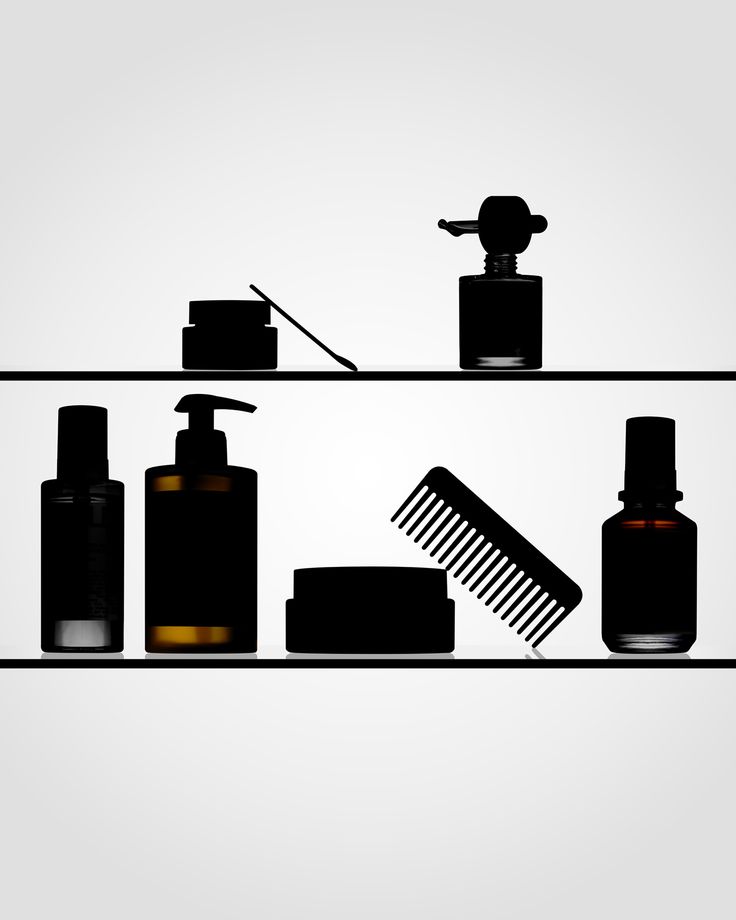
For beauty brands in South Korea, Japan, China, India, Southeast Asia, the Middle East and other international markets, expansion into the UK and Europe can open relationships with specialist retailers, distributors, spas, hotels, clinics and professional buyers. It can also expose weaknesses that were invisible in the home market.
A strong domestic reputation, distinctive packaging and an established customer base are valuable. They do not, by themselves, make a product compliant, commercially viable or easy for a European buyer to adopt.
The difficult questions usually come before the first wholesale introduction: Where should we enter first? Which rules apply? Who imports the products? What will it cost to land and replenish them? Why should a buyer take a chance on a brand it does not yet know?
This guide treats international beauty expansion as one connected business project, bringing together regulatory, operational and commercial readiness. It is written for founders, export managers and commercial directors assessing how to sell cosmetics in the UK and Europe.
Executive brief
- Great Britain and the European Union are separate cosmetics markets. Northern Ireland follows distinct arrangements and needs its own assessment.
- Compliance comes before supply. A destination-market Responsible Person, safety documentation, product notification and compliant labelling may all be required.
- Landed cost determines the route to market. Freight, duty, import VAT, preparation, warehousing and channel margins must be modelled before a wholesale price is offered.
- Distribution is not the only model. Brands can consider direct wholesale, sales representation, distributors or a carefully designed combination.
- Buyer relevance matters more than outreach volume. A smaller, qualified account list with a market-ready proposition is more useful than hundreds of generic contacts.
1. Decide where to enter first: Great Britain, the EU or both
“Europe” is useful commercial shorthand, but it is not one regulatory or operational market. Since the UK's departure from the EU, Great Britain—England, Scotland and Wales—and the European Union operate separate cosmetics systems. Northern Ireland aligns with relevant EU product rules under the Windsor Framework and should not be treated as identical to Great Britain.
| Requirement | Great Britain | European Union |
|---|---|---|
| Geographic coverage | England, Scotland and Wales | 27 EU member states |
| Main framework | GB cosmetics regulation derived from Regulation (EC) No 1223/2009, as amended for GB | Regulation (EC) No 1223/2009 |
| Responsible Person | Established in the UK | Established in the EU |
| Product notification | SCPN | CPNP |
| Core safety file | Current PIF with a compliant safety report | Current PIF with a compliant safety report |
| Labelling | GB requirements, including required information in English | EU rules plus applicable member-state language requirements |
| Customs | UK import procedures | EU customs procedures, usually organised through the relevant member state |
The practical consequence is important: a product prepared only for Great Britain may need separate Responsible Person arrangements, notification, labelling and logistics before it can be supplied in France, Germany, Spain or another EU market. A UK warehouse or distributor does not automatically create EU market access.
Read the official Great Britain cosmetics guidance and the European Commission's cosmetics framework.
Should an international brand enter the UK or EU first?
A UK-first strategy can concentrate resources around one principal consumer language and a defined buyer landscape. An EU-first strategy can make sense where the brand already has credible demand or a strong partner in a particular member state. Parallel preparation is possible, but increases the coordination required across compliance, packaging, tax, logistics and sales.
Choose the first market by scoring five factors: evidenced demand, regulatory gap, landed economics, partner quality and the team's capacity to support replenishment. Do not select an entire region simply because it appears larger on paper.
2. Build cosmetic compliance before describing products as market-ready
Products legally sold in an international home market are not automatically compliant in Great Britain or the EU. Existing formulation, stability, microbiological and safety documentation can be valuable inputs, but a qualified specialist must assess what is sufficient for the intended destination.
Appoint the correct Responsible Person
Every cosmetic product placed on the GB market must have a UK-established Responsible Person. Products placed on the EU market require a Responsible Person established in the EU. The Responsible Person is legally accountable for core obligations including safety, documentation, notification and post-market responsibilities.
Brands should examine who controls the regulatory relationship. If a distributor is also the Responsible Person, the agreement should address access to documents, notification changes, confidentiality, cooperation and what happens when the distribution relationship ends. Regulatory dependency should not become an accidental barrier to changing commercial partners.
Prepare the Product Information File and safety assessment
The Product Information File, commonly called the PIF, is a central regulatory record. It generally includes the product description, Cosmetic Product Safety Report, manufacturing method and good-manufacturing-practice evidence, support for claimed effects where relevant, and the required animal-testing information.
The file must be kept current and accessible to the relevant authority through the Responsible Person. A manufacturer's export certificate or domestic safety report should not be assumed to replace the destination-market assessment.
Check ingredients and claims against current rules
Review every formula against the applicable prohibited and restricted substances, permitted preservatives, colourants and UV filters, fragrance allergens, nanomaterial rules and conditions of use. Ingredient databases are useful research tools, but the legislation and its annexes are authoritative.
The EU's expanded fragrance-allergen labelling rules provide a timely example of why ongoing monitoring matters. Regulation (EU) 2023/1545 added individual labelling requirements for additional fragrance allergens, with transition periods that depend on whether products are being placed on the market or remain available after that point. Confirm the latest dates and formulation-specific impact with a qualified adviser rather than relying on an old packaging checklist. Review the Commission's fragrance-allergen guidance.
Complete the correct notification
Products for Great Britain are notified through the Submit Cosmetic Product Notifications service, or SCPN. Products for the EU are notified through the Cosmetic Products Notification Portal, or CPNP. A CPNP notification is centralised for the EU cosmetics framework, although other national obligations can still apply.
Notification is not government approval and does not transfer accountability away from the Responsible Person. Free samples and products used on members of the public by professionals can also fall within the rules; “not for retail sale” is not a general exemption. See official GB guidance and official CPNP guidance.
3. Make packaging legally usable and commercially persuasive
Packaging is both a compliance surface and part of the wholesale proposition. A product designed for Korean, Japanese, Chinese or another home market may require revised artwork, supplementary labels or translations before supply.
| Label element | What to verify |
|---|---|
| Responsible Person | Correct name and address for the destination market |
| Country of origin | Required origin wording for imported cosmetics |
| Ingredients | Correct INCI declaration and applicable allergen wording |
| Net contents | Correct quantity declaration and presentation |
| Batch identification | Traceable batch or lot information |
| Durability | Minimum durability or period-after-opening information, as applicable |
| Precautions | Required warnings and safe-use instructions |
| Product function | Clear where the function is not obvious from presentation |
| Language | Information in the language or languages required in each destination |
An English-only label should not be assumed to cover every EU country. A well-designed multilingual label can support several markets if all information remains legible. Supplementary stickers can be workable in some cases, but the final presentation must be validated and must not obscure mandatory information.
Also check country-specific packaging-waste and extended-producer-responsibility obligations. These sit alongside cosmetics compliance and can vary according to market and commercial structure.
4. Define who imports, clears, stores and delivers the products
A distributor, importer, customs representative, warehouse and sales representative perform different roles. One company may cover more than one function, but the contract should name each responsibility rather than relying on assumptions.
Importer of record and customs responsibility
Before shipping, establish who is responsible for the customs declaration, duty, import VAT, product compliance, inbound transport, storage and final delivery. A freight forwarder or customs agent may submit declarations on behalf of an importer without becoming the importer or the cosmetics Responsible Person.
EORI arrangements
Businesses undertaking relevant customs activities in Great Britain generally need the appropriate GB EORI arrangement. EU imports generally require an EU EORI route through the relevant customs jurisdiction. Northern Ireland can involve an XI EORI in relevant circumstances. Overseas businesses should confirm whether they can act directly or require an established representative. Review HMRC's current EORI guidance.
Commodity codes, duty and origin
Confirm the correct commodity code, customs value, country of origin and any applicable trade preference for each product. Storage or redistribution in the UK does not turn an Asian-manufactured product into UK-originating goods. Preferential duty depends on the relevant origin rules, not the address of the warehouse.
Incoterms are commercial responsibilities, not decorative abbreviations
EXW, FOB, DAP and DDP allocate costs, tasks and risk differently. A brand offering DDP without a workable importer, customs and tax structure can take on obligations it cannot fulfil. Always state the named place and the agreed Incoterms edition in the contract.
5. Calculate landed economics before approaching wholesale buyers
Do not convert a domestic wholesale price into pounds or euros and assume the margin still works. The route to market must remain viable after international freight, customs, preparation, warehousing, selling costs and the margin expected by each partner.
Build the true landed-cost stack
- Manufacturing or acquisition cost.
- Export packaging, inspection and documentation.
- International freight and insurance.
- Customs duty, clearance and import-related costs.
- Inbound transport, warehousing and fulfilment preparation.
- Relabelling or destination-specific packaging.
- Sampling, sales commissions, returns, promotions and marketing support in the wider profitability model.
Then calculate backwards from a credible recommended retail price. Ask whether the resulting net wholesale revenue covers landed cost, selling expense, overhead and risk—not merely whether it produces a positive unit margin.
Illustrative price architecture
Separate prices by channel
Direct-to-retailer wholesale pricing, distributor purchase pricing, recommended retail pricing and promotional allowances serve different purposes. A distributor may need to fund importation, warehousing, selling activity, credit risk and its own margin before selling to retailers. One price cannot always support every route.
Before buyer outreach, prepare currency-specific pricing, minimum order quantities, case quantities, lead times, payment terms and delivery conditions. Model introductory discounts, testers, free stock, marketing contributions and extended payment terms before agreeing to them.
6. Choose the right B2B route to market
| Model | How it works | Primary consideration |
|---|---|---|
| Exclusive distributor | Purchases and resells within an agreed territory or channel | Performance dependency and loss of control |
| Non-exclusive distributors | Several partners purchase and resell | Channel overlap and price consistency |
| B2B sales representation | A representative develops qualified wholesale opportunities | Clear scope, reporting and responsibility boundaries |
| Direct wholesale | The brand contracts directly with retail or professional accounts | Internal order management, credit and fulfilment capability |
| Trade catalogue exposure | Approved products are presented to relevant professional buyers | Visibility is not active representation and does not guarantee orders |
These routes can be combined by geography or channel. A brand might appoint a distributor in one EU country, sell directly to selected UK accounts and use representation to develop a specific buyer group.
Exclusivity requires measurable obligations
Before granting broad rights, define territory, channels, duration, minimum purchases or performance expectations, marketing commitments, reporting, online sales, ownership of buyer relationships, regulatory-document control, remaining stock and termination.
A distributor with many brands may have reach but limited attention. Ask for a target-account plan, named launch responsibilities, resource allocation and a forecast with transparent assumptions. Obtain specialist legal advice on competition and distribution rules.
7. Select buyers by commercial fit
The strongest account list is not the longest. It is the one in which each buyer has a credible reason to consider the range.
- Specialist beauty retailers assess differentiation, customer demand, margin, assortment fit and merchandising support.
- Spas and professional skincare businesses may require protocols, training, professional sizes and dependable replenishment.
- Hotels and hospitality groups consider guest experience, format, presentation, cost per use and continuity of supply.
- Wholesalers and distributors examine resale potential, territory, logistics, exclusivity and the support behind demand creation.
- Salons, clinics and beauty professionals consider service integration, education, performance and retail potential. Claims must remain appropriate to the product's legal classification.
A luxury serum may fit selected skincare retailers and spas; a body range may suit hospitality, wellness retail or gifting; a professional treatment system may require education before a buyer can assess it. Channel selection should follow product reality, not aspiration alone.
8. Give unfamiliar brands a reason to be bought
Home-market success is useful evidence, but buyers need it translated into a local commercial case. National origin can add context; it should not be the only differentiator.
A buyer presentation should answer six questions
- Why this brand? Explain the positioning, product philosophy and defendable distinction.
- Why these products? Define function, intended customer, substantiated benefits and competitive difference.
- Why this buyer? Show how the selection fits the account's assortment, price architecture and audience.
- Why now? Use verified sales, repeat purchase, search interest or destination-market enquiries—not generic trend claims.
- Can you deliver? State regulatory status, stock position, lead time and order process accurately.
- How will you support sell-through? Explain education, assets, sampling, launch support and replenishment.
Build a market-ready wholesale sales kit
Prepare a concise brand deck, edited product catalogue, wholesale price list, product specifications, compliant claims, image library, commercial terms, sample process and destination-market status. Buyers do not need confidential formulation files, but they do need confidence that supply is legal, clear and dependable.
9. Build a disciplined buyer-acquisition pipeline
- Identify: research the account's brands, category mix, customer, pricing and buying structure.
- Qualify: confirm product fit, territory and whether the account is considering new brands.
- Introduce: present a limited product selection with relevant commercial information.
- Evaluate: coordinate compliant samples, specifications and buyer questions.
- Quote: agree price, minimum order, payment, delivery and responsibilities.
- Fulfil: confirm stock, documentation, invoice, shipment and receipt.
- Develop: review sell-through, feedback, stock movement and replenishment.
A buyer may be interested without being ready to order. Buying calendars, shelf space, missing documentation or uncertainty about demand can delay a decision. Record the reason, owner and next action.
Measure qualified accounts, substantive replies, sample evaluations, quotations, first orders, reorder rate and time between stages. The goal is not maximum email volume; it is a pipeline of commercially relevant relationships.
10. Avoid the most common expansion mistakes
- Treating the UK and EU as one market. Build separate regulatory and customs plans, with a specific Northern Ireland assessment where relevant.
- Approaching buyers before products are market-ready. Describe status and timing accurately.
- Granting exclusivity too early. Tie rights to territory, channels, measurable performance and exit terms.
- Ignoring landed costs. Model logistics, duty, tax treatment, preparation and every channel margin.
- Launching too many SKUs. Use a focused initial assortment that limits inventory exposure and sharpens the proposition.
- Relying on home-market success alone. Translate performance into evidence relevant to the destination customer.
- Underestimating ongoing support. Plan education, buyer communication, assets, replenishment and issue management.
- Confusing introductions with distribution. Define who sells, imports, stores, invoices and supports each order.
11. Market-entry readiness assessment
Use this assessment before commissioning artwork, signing distribution rights or sending samples. A “not yet” is not a failure; it identifies the workstream that should come first.
Regulatory
- Destination chosen
- Formula gap review completed
- Responsible Person route identified
- PIF and safety-work scope defined
- Notification and label plan documented
Operational
- Importer identified
- Landed cost modelled
- Storage and delivery route agreed
- Stock and lead time confirmed
- Returns and replenishment process defined
Commercial
- Priority buyer group selected
- Launch assortment edited
- Channel margins tested
- Wholesale kit complete
- Sell-through support planned
Interpretation: if the regulatory column is incomplete, prioritise specialist review. If operational answers are uncertain, resolve importer, cost and fulfilment responsibilities. If products are ready but the commercial column is weak, focus on positioning, materials and a qualified buyer-development plan.
12. A practical 90-day preparation roadmap
This is a preparation framework, not a promise that regulatory work, packaging production, buyer onboarding or sales can be completed in three months.
| Period | Focus | Working output |
|---|---|---|
| Days 1–30 | Assess market and product readiness | Priority market, initial assortment, regulatory gap, preliminary economics and route-to-market options |
| Days 31–60 | Prepare compliance and commercial foundations | Progressed RP and safety work, packaging review, landed-cost model and buyer materials |
| Days 61–90 | Develop qualified market conversations | Prioritised account list, approved introductions, sample process and documented pipeline |
Regulatory and commercial preparation can progress in parallel. Products should not be supplied, sampled or described in a way that breaches applicable requirements.
13. How Quiet Beauty can support selected brands
International expansion often requires several specialist partners. Quiet Beauty's role is commercial: helping selected brands shape a credible proposition, identify suitable professional opportunities and develop B2B conversations. It should not be confused with regulatory approval, customs brokerage, import execution, warehousing, fulfilment or guaranteed purchase orders unless a separate written scope expressly says otherwise.
Choose the right commercial route
B2B Brand Expansion is for selected international beauty brands seeking active commercial development, account research, tailored introductions, follow-up and pipeline reporting.
Explore B2B Brand ExpansionB2B Wholesale Catalogue is a separate application route for selected brands seeking professional presentation to trade buyers without committing to active sales representation.
Apply for catalogue inclusionFrequently asked questions
Can a Korean beauty brand sell in the UK without a UK distributor?
Yes. A distributor is not a universal legal requirement. A Korean or other international brand can consider direct wholesale or sales representation if it establishes appropriate Responsible Person, import, customs, tax, compliance and fulfilment arrangements.
Do I need separate cosmetic notifications for Great Britain and the EU?
Generally, yes. Products for Great Britain are notified through SCPN, while products for the EU are notified through CPNP. Northern Ireland should be assessed under its applicable arrangements.
Can an Asian safety certificate replace a UK or EU CPSR?
Existing documents may support the assessment, but should not be assumed to replace the destination-market safety report and PIF requirements.
Do I need a UK company?
Not necessarily a separately incorporated UK company, but the model must lawfully cover the UK Responsible Person, importer, customs, tax, contracting and fulfilment responsibilities. Obtain professional advice for the proposed structure.
Can one EU-compliant product be sold in France, Germany and Spain?
Potentially, provided it complies with the EU cosmetics framework and CPNP requirements and also satisfies applicable national obligations, including required languages and any packaging or commercial rules.
How much does European market entry cost?
There is no universal figure. Cost depends on SKU count, documentation quality, testing, formulation changes, packaging, target countries, freight, inventory and route to market. Separate one-time market-entry work from recurring logistics, sales and customer-acquisition costs.
Should we find a distributor before finishing compliance?
You can research and discuss future opportunities while compliance work continues. State the status accurately and do not present products as market-ready until the applicable requirements are fulfilled.
How long does UK market entry take?
Timing depends on formula complexity, available evidence, testing, safety assessment, artwork changes, production and operational readiness. Buyer evaluation and onboarding can continue beyond regulatory preparation.
How can an Asian beauty brand find wholesale buyers in Europe?
Define the best-fit channels, prepare a market-specific wholesale proposition and build a structured outreach, sampling, quotation and follow-up process. A sales representation partner can support commercial development where its scope and responsibilities are clear.
Final perspective
European expansion begins before the first wholesale order. It is a coordinated project involving product compliance, importing, landed economics, positioning and buyer acquisition.
Start with one defined market and a commercially viable assortment. Establish the correct specialist support, document who owns each operational responsibility, test the margin through the entire channel and approach only buyers whose customers genuinely fit the brand.
This guide is general commercial information, not legal, regulatory, customs, tax or financial advice. Requirements change and differ by product and destination. Brands should obtain advice from appropriately qualified specialists before placing products on a market.
Written by Quiet Beauty
Filed 22 September 2026 · 22 min read
Also in this issue
B2B InsightsThe B2B Edit · Español
Cómo expandir una marca de belleza asiática o internacional al Reino Unido y Europa
La guía completa de entrada al mercado B2B: normativa cosmética del Reino Unido y la UE, importación, costo puesto en destino, precios mayoristas, distribución y captación de compradores de retail.
Quiet Beauty Journal · B2B Market Intelligence · Mexico
Mexico’s K-Beauty Opportunity: The Brands, Products and Buyer Signals to Know
A decision-maker’s guide to K-beauty in Mexico: the Korean skincare brands, standout products and consumer signals shaping buyer attention.
The B2B Edit
Beauty Sales Representation vs Distribution: Which Model Fits Your Brand?
Understand how sales representation and wholesale distribution differ before choosing a route to professional buyers.